Celebrations
Festival Calendar
Bhutan's festivals are not performances for tourists — they are living spiritual events that have taken place for centuries. Plan your journey around them.
Month by Month
Bhutan's sacred festival calendar
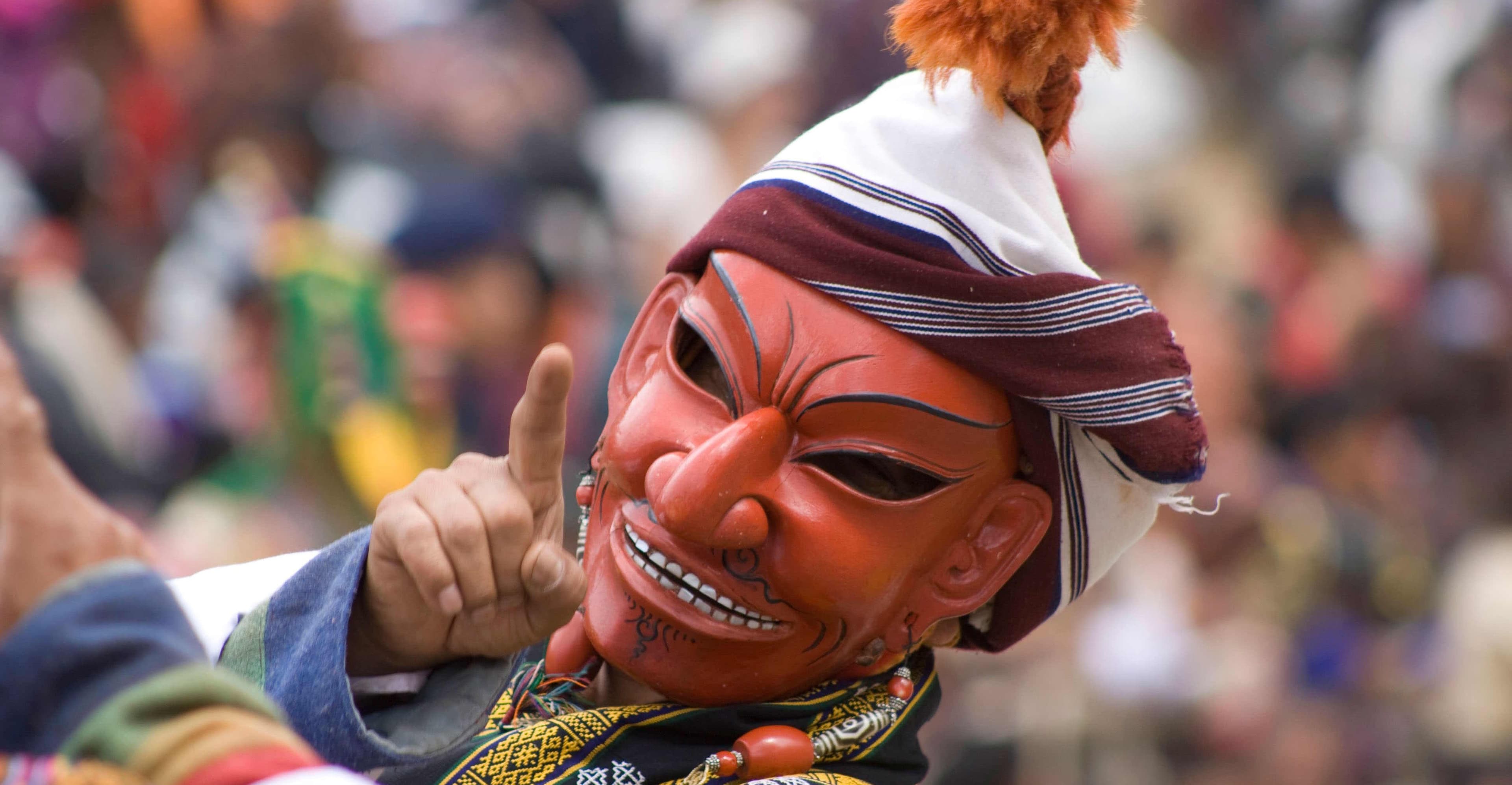
Bhutan's major festivals — the Tshechus — are rooted in the Vajrayana Buddhist tradition and have been celebrated for centuries. Sacred Cham mask dances, monastic rituals and community gatherings fill the dzong courtyards with colour, sound and devotion. Dates follow the Bhutanese lunar calendar and shift slightly year to year. All dates below should be treated as indicative — we will confirm exact dates as part of your itinerary planning.
3 festivals from earlier in 2026 are not shown.
June
Kurjey Tshechu
24 June · Kurjey Lhakhang, Choekhor, Bumthang
Held at Kurjey Lhakhang — one of Bhutan's most sacred sites, where the body imprint of Guru Rinpoche is said to be enshrined — the Kurjey Tshechu draws large numbers of Bhutanese pilgrims. A single intense day of mask dances, prayers and blessings in a temple complex surrounded by ancient cypress trees. Deeply atmospheric and spiritually significant.
September
Thimphu Drubchen
17 September · Tashi Chhodzong, Thimphu
The Thimphu Drubchen marks the opening of the capital's festival season, held at Tashi Chhodzong — the seat of the Bhutanese government and home of the Je Khenpo. This preparatory event features elaborate rituals and ceremonial performances ahead of the main Thimphu Tshechu. A chance to see the dzong at its most animated before the larger crowds arrive.
Haa Tshechu
19–21 September · Lhakhang Karpo, Haa Valley
Held at Lhakhang Karpo — the White Temple — in the rarely-visited Haa Valley, this festival offers an exceptional opportunity to experience Bhutanese culture away from the crowds. Haa is one of Bhutan's least-touristed districts, and its tshechu retains an intimacy and authenticity that larger festivals can no longer offer.
Wangdue Tshechu
19–21 September · Wangdue Phodrang Dzong
Held at the dzong overlooking the Wangdue Phodrang valley, this festival brings together communities from across one of Bhutan's most scenic districts. Three days of sacred Cham dances and religious performances in a dramatic setting above the confluence of the Punatsangchhu and Dangchhu rivers.
Thimphu Tshechu
21–23 September · Tashi Chhodzong, Thimphu
The largest and most celebrated festival in the capital, the Thimphu Tshechu draws tens of thousands of Bhutanese from across the country. Three days of sacred Cham dances performed by monks at Tashi Chhodzong, culminating in the unfurling of a giant Thongdrol — a sacred appliqué scroll — on the final morning. One of the great spectacles of Bhutanese cultural life.
Gangtey Tshechu
24–26 September · Gangtey Gonpa, Phobjikha Valley
Held at Gangtey Gonpa — an ancient Nyingma monastery perched above the Phobjikha valley — this festival takes place in one of Bhutan's most beautiful landscapes. The valley is at its most golden in late September. The tshechu draws local communities from across the valley and offers an unusually serene and unhurried festival atmosphere.
October
Jomolhari Mountain Festival
14–15 October · Dangochong, Thimphu
Held at the foot of the trail leading towards Jomolhari base camp, this festival celebrates Bhutan's extraordinary mountain culture. Adventure enthusiasts, trekkers and cultural travellers gather for archery, folk performances and highland celebrations with the high Himalaya as a backdrop. A distinctive event that bridges culture and adventure.
Jakar Tshechu
18–21 October · Jakar Dzong, Bumthang
Held at Jakar Dzong — the fortress of the white bird — in the heart of Bumthang's Choekhor valley, the Jakar Tshechu is one of central Bhutan's finest festivals. Four days of Cham dances, monastic rituals and community celebration in a valley many consider the spiritual heartland of the kingdom. Bumthang in autumn is at its most beautiful.
Jambay Lhakhang Drup
26–29 October · Jambay Lhakhang, Bumthang
One of Bhutan's most sacred and visually extraordinary festivals, held at Jambay Lhakhang — a temple founded in the 7th century by the Tibetan king Songtsen Gampo. The highlight is the Mewang fire ceremony, in which participants run through blazing flames to receive blessings and purification. Considered by many Bhutanese and travellers alike to be among the most powerful spiritual experiences the kingdom offers.
November
Black-Necked Crane Festival
11 November · Gangtey Gonpa, Phobjikha Valley
Held on the day the black-necked cranes arrive from the Tibetan plateau to winter in the Phobjikha valley, this festival celebrates one of Bhutan's most beloved wildlife spectacles. Children perform crane dances, local communities gather, and the valley comes alive with colour and ceremony just as the cranes descend. An exceptional confluence of nature, culture and conservation.
Mongar Tshechu
17–19 November · Mongar Dzong, Eastern Bhutan
Deep in eastern Bhutan, the Mongar Tshechu is one of the more remote festivals on the calendar — and all the more rewarding for it. Eastern Bhutan has a distinct character, dialect and cultural identity, and Mongar's tshechu offers a window into a part of the country that very few international visitors reach. A journey here is an adventure in itself.
December
Druk Wangyel Tshechu
13 December · Dochula Pass, Thimphu
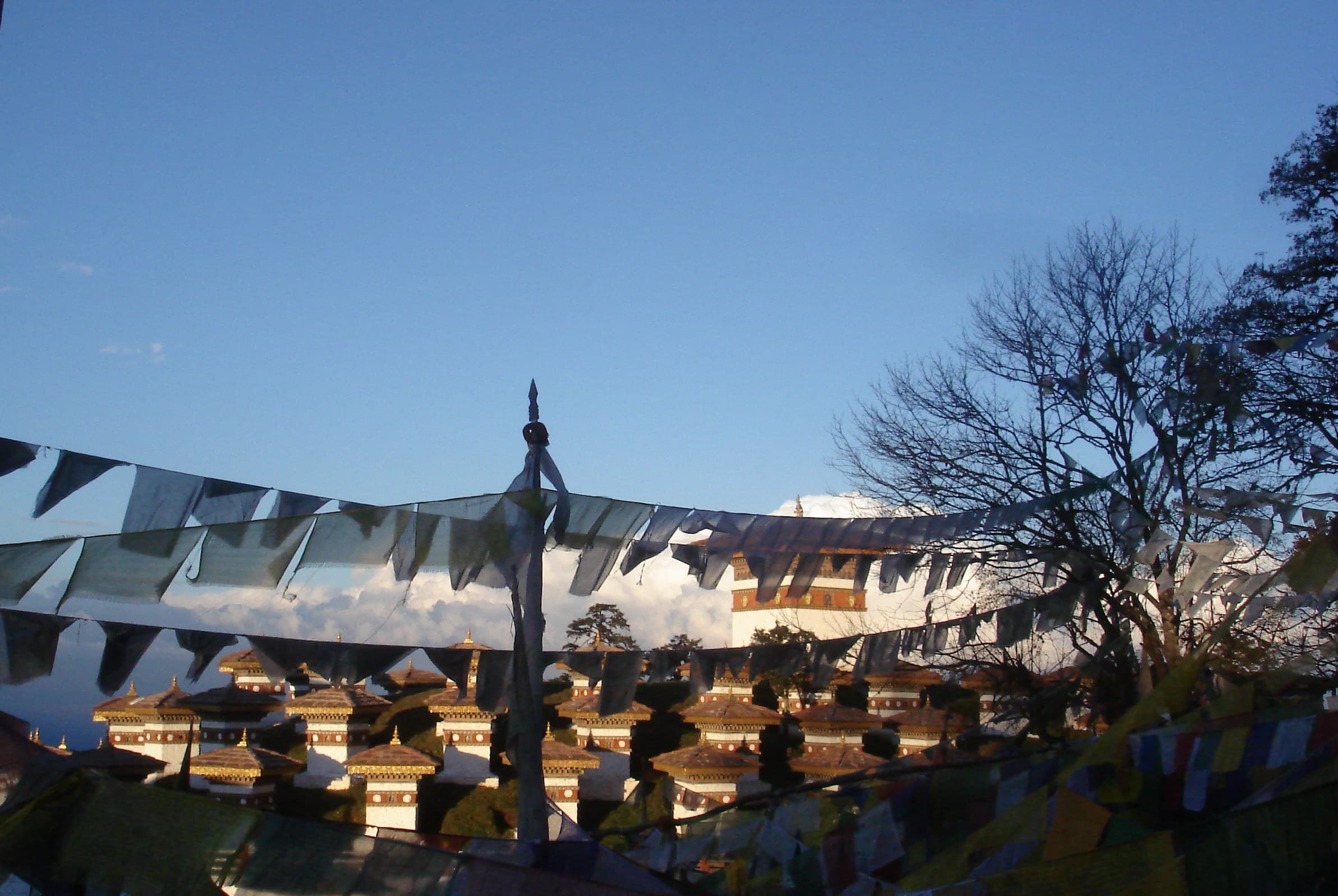
Held at Dochula Pass — 3,100 metres above sea level, among 108 memorial chortens — the Druk Wangyel Tshechu is one of Bhutan's most visually spectacular festivals. On a clear winter's day, the Himalayan panorama stretches behind the dancers. Established to honour the fourth and fifth Druk Gyalpos, it is a relatively young festival but one of extraordinary beauty and setting.
Trongsa Tshechu
17–21 December · Trongsa Dzong, Trongsa
Held at Trongsa Dzong — the ancestral seat of Bhutan's royal family, perched dramatically above the Mangde Chu gorge — the Trongsa Tshechu takes place as winter settles across the high passes. Remote, atmospheric and deeply significant. Trongsa is Bhutan's geographical and historical heart, and its tshechu is among the most authentic on the entire calendar.
Plan Your Journey
Journeys built around the festivals
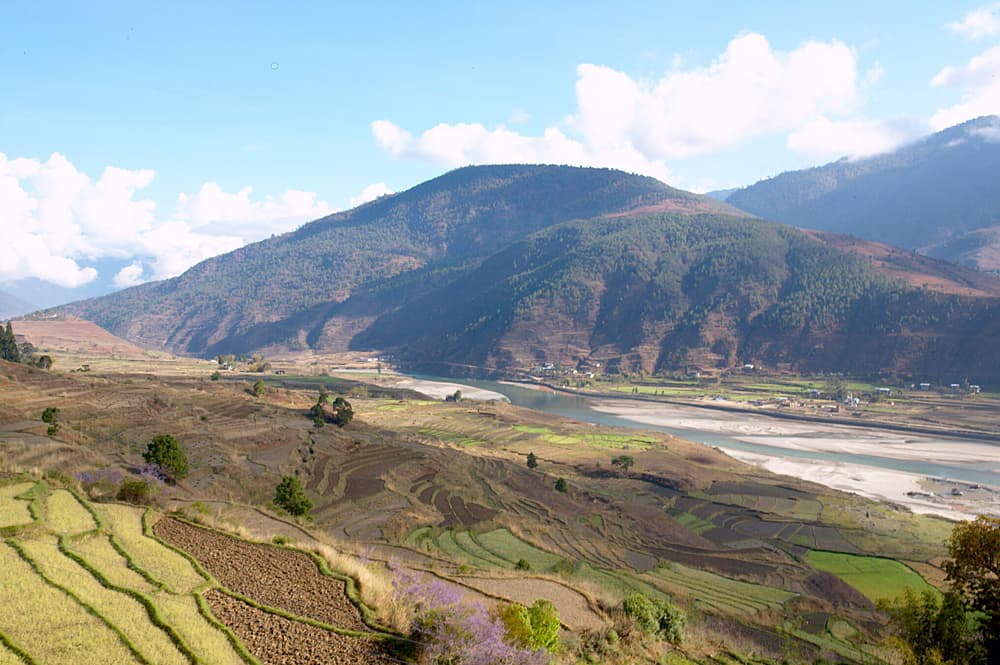
Amazing Bhutan
Twelve days through western and central Bhutan — monasteries, valleys and mountain wilderness
Duration
12 days / 11 nights
Best season
All year round
Journey Through Bhutan
A complete traverse of the kingdom — from the western valleys through the spiritual heartland to the untouched east
Duration
15 days / 14 nights
Best season
All year · Thimphu Festival (September)
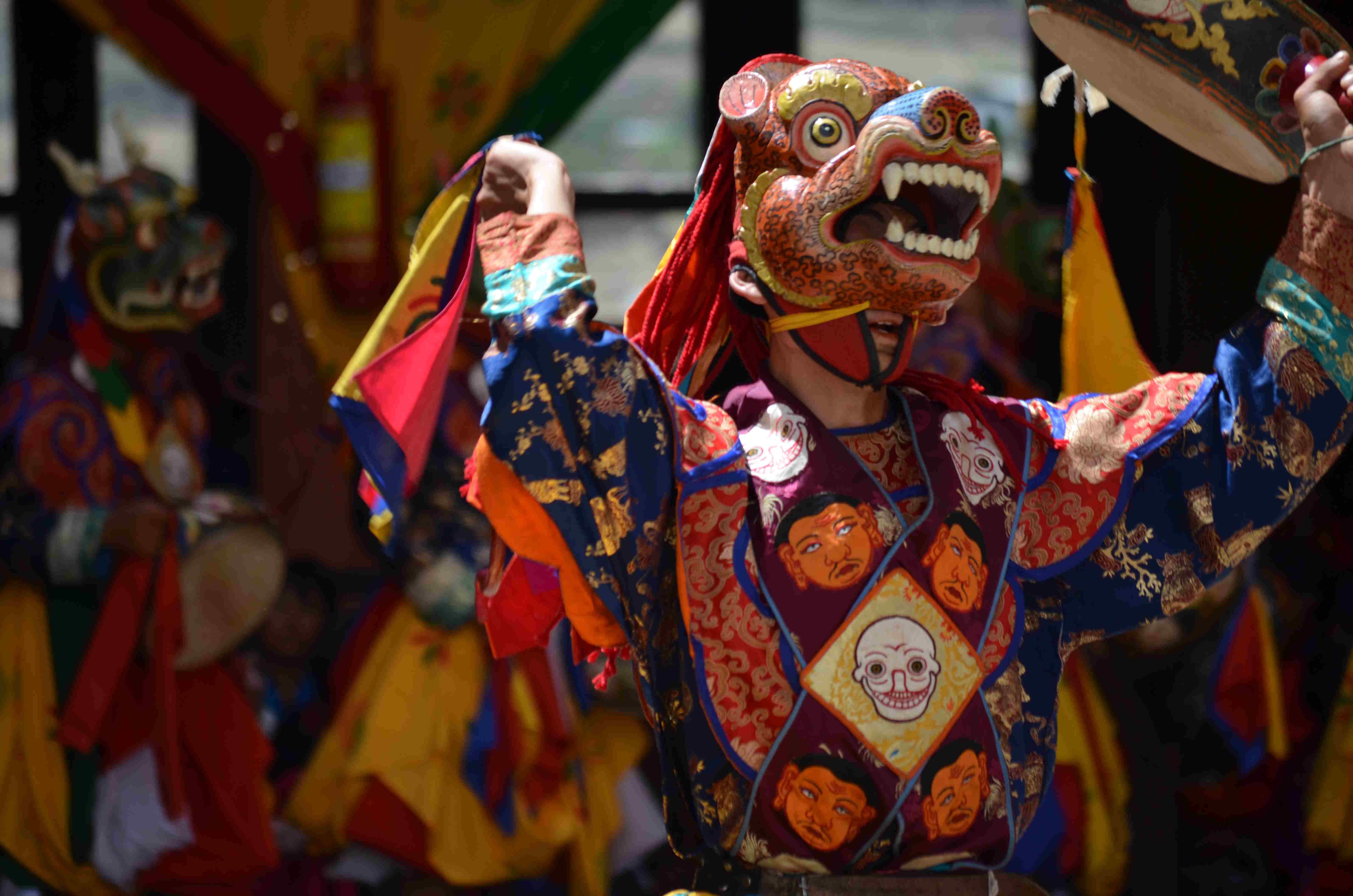
Festival Delights
Ten days of colour, masked dance and sacred celebration — Thimphu Tshechu and Gangtey Tshechu
Duration
10 days / 9 nights
Best season
Autumn (19–28 September 2026)
Festival travel
Planning a journey around a festival?
Festival spaces fill quickly and logistics around the major tshechus require careful coordination. Talk to us early — we know the festivals, the venues and the best places to stay.