Photo: Anugrah Lohiya / Pexels
Before You Go
Travelling to Bhutan
Everything you need before you go — visas, seasons, flights, fees, and what to expect when you arrive.
Essential Information
Everything you need to know
Bhutan is one of the most rewarding destinations on earth — and one of the most regulated. That is by design. This guide covers what you need to know before you travel, from visa requirements and the Sustainable Development Fee to the best seasons to visit and how to get there. As your operator, we handle the details. This page is here so you understand exactly what to expect.
Best Time to Visit
Bhutan has four distinct seasons, each with its own appeal. Spring (March–May) and autumn (September–November) are generally the best times to visit. Skies are clear, temperatures are comfortable, and many of Bhutan's major festivals take place during these months. Spring brings rhododendron bloom and the famous Paro Tshechu, while autumn offers crisp air, golden light, and excellent trekking conditions through November. Summer (June–August) is monsoon season. The landscape turns intensely green, visitor numbers are lower, and the atmosphere feels quieter and more relaxed. Expect afternoon rain, and note that some high-altitude trekking routes may be inaccessible. Winter (December–February) is cold, especially in Paro and Thimphu where temperatures can fall below zero and some high passes may close. But skies are exceptionally clear, mountain views are at their best, and lower valleys such as Punakha remain warmer and very pleasant. Winter in Bhutan is peaceful, uncrowded, and deeply rewarding.
Getting There
Paro International Airport is the gateway to Bhutan — set dramatically among forested valley walls at 2,200 metres. The approach is one of the most spectacular in commercial aviation, and requires specially certified pilots. Arriving this way is, in itself, an introduction to the kingdom. Bhutan's national carrier, Druk Air, connects Paro with Bangkok, Delhi, Kolkata, Kathmandu, Bagdogra, Guwahati, Gaya, Dhaka, Singapore and Dubai. Bhutan Airlines also operates flights from Bangkok, Delhi and Kathmandu. Entry by road is possible through Phuentsholing in the south — a practical option for travellers combining Bhutan with Sikkim, Darjeeling or Assam — and through Samdrupjongkhar in the east for those continuing to or from Assam. We can advise on the best entry and exit configuration for your itinerary.
Visas
Every visitor to Bhutan requires a visa before arrival. The non-refundable application fee is US$40. We manage the entire process on your behalf — once your tour is confirmed and payment received, we submit your application directly to the Department of Immigration and obtain your clearance. To process your visa, we will need: · A digital copy of your valid passport · A recent digital passport photograph · Your confirmed arrival and departure dates Your visa clearance is communicated to all entry points into Bhutan. Your passport is stamped on arrival. We recommend bringing two recent passport-size photographs (with your name and passport number noted on the back), as these may be requested at immigration. Mandatory travel insurance was lifted in April 2024, but we strongly recommend comprehensive cover that includes medical treatment, emergency evacuation, cancellation, and baggage.
The Sustainable Development Fee
Bhutan does not pursue mass tourism. Its high-value, low-impact model is built around a Sustainable Development Fee (SDF) — a daily levy that directly funds Bhutan's free healthcare, free education and community development programmes. Visiting Bhutan is, in this sense, an act of contribution as much as exploration. The SDF is US$100 per person per night for all international visitors. For visitors from India, the rate is Nu/INR 1,200 per night. Children aged 6–12 receive a 50% concession; children under 6 are exempt. The SDF is included in the tour cost we provide you — alongside all visa fees and applicable government charges. There are no hidden extras.
Customs
Bhutan's customs process is straightforward. The following may be brought in duty-free with personal effects: · Up to 2 litres of spirits, 400 cigarettes, or 150g of pipe tobacco (must be declared) · Professional instruments and appliances · Photographic and electronic equipment for personal use (must be declared) A customs declaration form is completed on arrival. Items declared on entry that are later gifted or sold in Bhutan may be subject to customs duty. Plants and soils must also be declared. The following are prohibited on entry and exit: arms and explosives, narcotics other than prescribed medication, wildlife products from endangered species, and antiques. If you plan to buy old or culturally significant items during your visit, obtain a clearance certificate before export. We will brief you on the relevant regulations before you travel.
Your Accommodation
Bhutan's hospitality has grown significantly in depth and quality over recent years. We use only Department of Tourism-approved properties — three-star and above — chosen personally by our team for comfort, character and setting. Thimphu and Paro are home to Bhutan's finest five-star properties. Punakha, Gangtey and Bumthang offer a range of well-appointed hotels that balance comfort with a genuine sense of place. In smaller towns and more remote areas, we work with approved farmhouses and homestays that offer an authentic and often deeply personal experience of Bhutanese life. For trekking itineraries, accommodation is typically in well-equipped tents managed by our crew, with purpose-built shelters available on some established routes.
Payment & Cancellations
Full payment for your tour is required in advance. This is necessary to process your visa and secure all arrangements within Bhutan — accommodation, guides, permits and transport. We recommend confirming Druk Air seats as early as possible once your itinerary is agreed, as availability on certain routes can be limited. Full payment details are issued once your travel plans are finalised. The following cancellation terms apply: · More than 45 days before departure — loss of deposit only · 31–45 days before departure — 25% of total booking price · 15–29 days before departure — 50% of total booking price · 0–14 days before departure — 100% of total booking price We strongly recommend comprehensive travel insurance — and we are happy to advise on what to look for when selecting a policy.
Plan Your Journey
Ready to start planning?
Amazing Bhutan
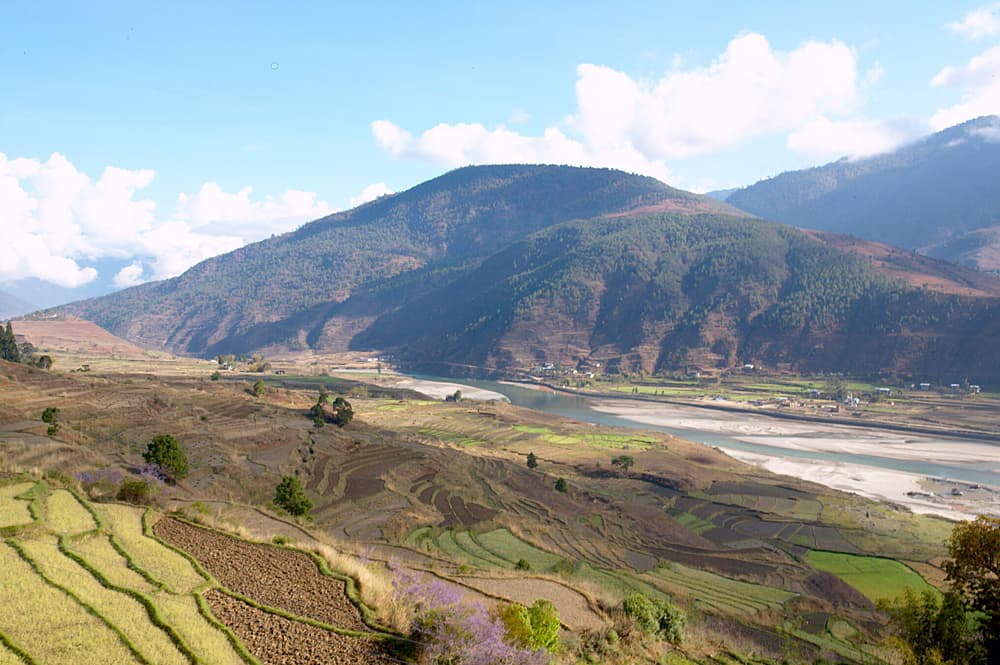
Twelve days through western and central Bhutan — monasteries, valleys and mountain wilderness
Duration
12 days / 11 nights
Best season
All year round
The Druk Path Trek
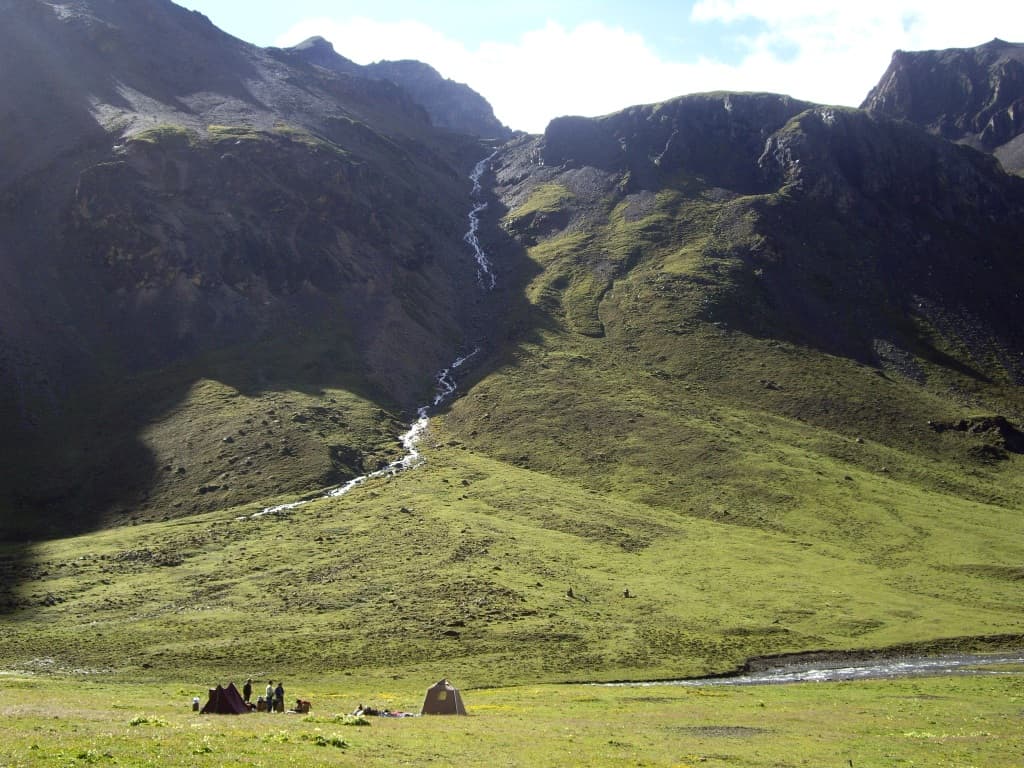
Four days of high-altitude trekking through pristine Himalayan wilderness, combined with the cultural highlights of western Bhutan
Duration
10 days / 9 nights
Best season
Spring · Autumn
Journey Through Bhutan
A complete traverse of the kingdom — from the western valleys through the spiritual heartland to the untouched east
Duration
15 days / 14 nights
Best season
All year · Thimphu Festival (September)
Plan with confidence
Have questions about travelling to Bhutan?
We have been navigating Bhutan's entry requirements, seasonal rhythms and travel logistics for over 15 years. Ask us anything — we will give you an honest answer.