Photo: DoT, Bhutan
Bhutan is an exceptionally welcoming country, but it is also one in which courtesy, composure, and respect matter deeply. Part of that is shaped by Driglam Namzha, Bhutan's living code of etiquette, which the Department of Culture describes as an enduring expression of harmony, unity, and proper conduct. Arriving with some awareness of local customs will not make your visit feel restrictive; it will make it richer, warmer, and more connected.
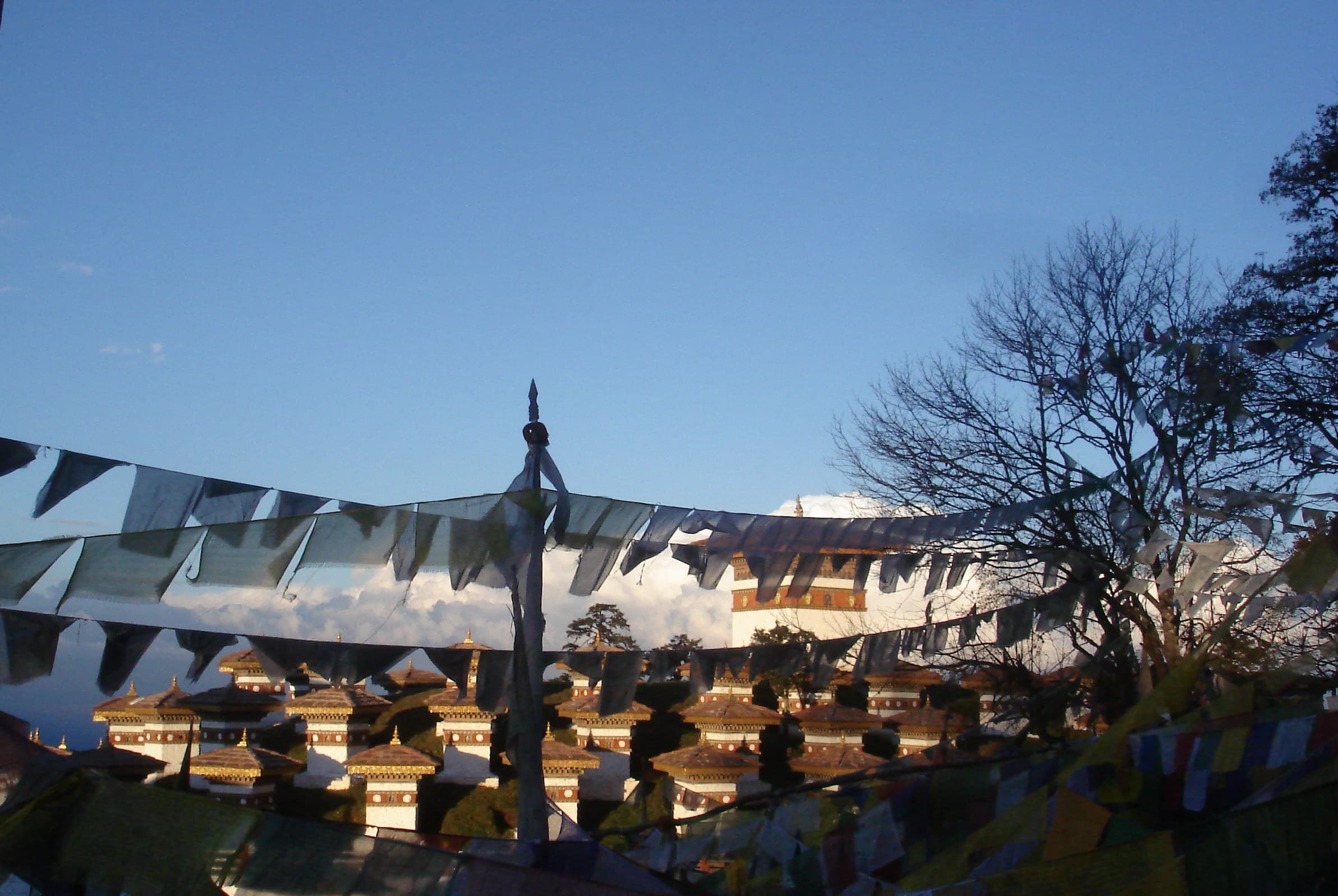
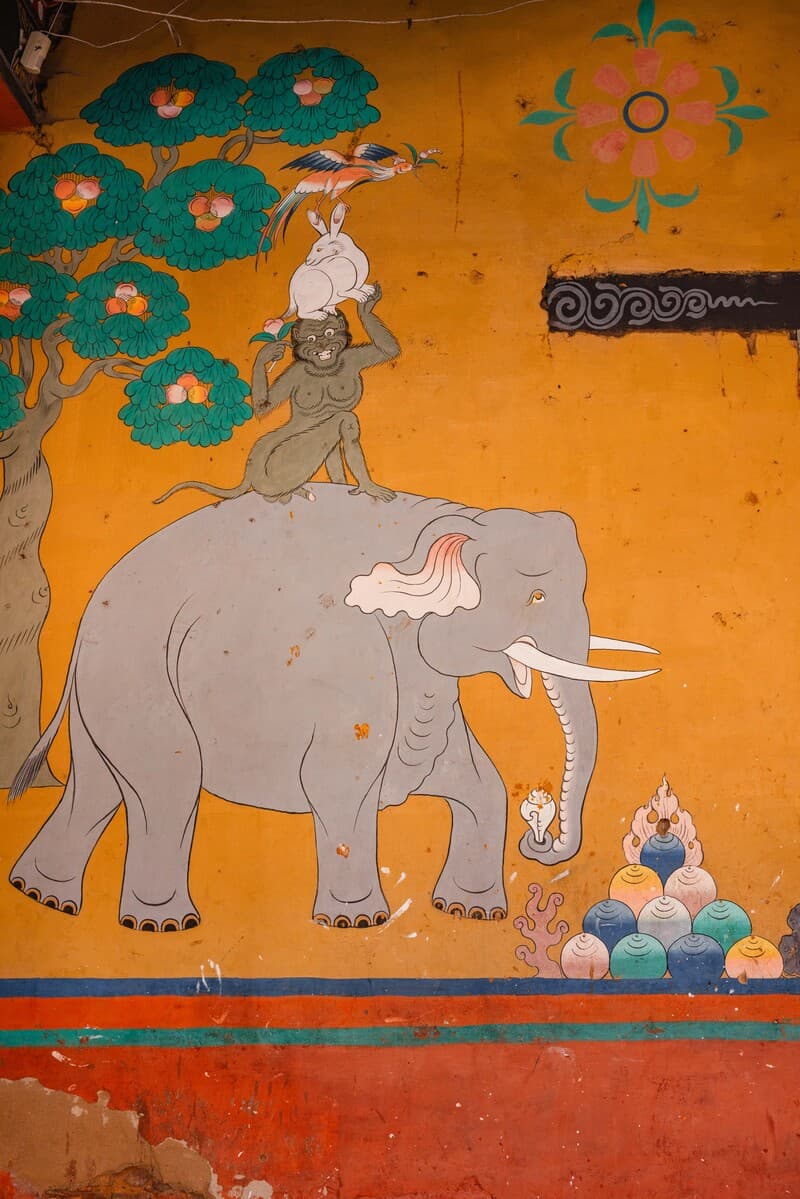
At temples, monasteries, and other sacred sites, modest dress is essential. Bhutan's official tourism guidance asks visitors to wear long sleeves and cover their legs, remove shoes before entering, and remove caps and hats as a sign of respect. It also advises visitors not to touch religious items or paintings, not to sit on lamas' thrones, and to refrain from taking photographs inside sacred sites. Around stupas, prayer wheels, mani walls, and temple precincts, the respectful convention is to move clockwise, keeping the sacred object to your right.
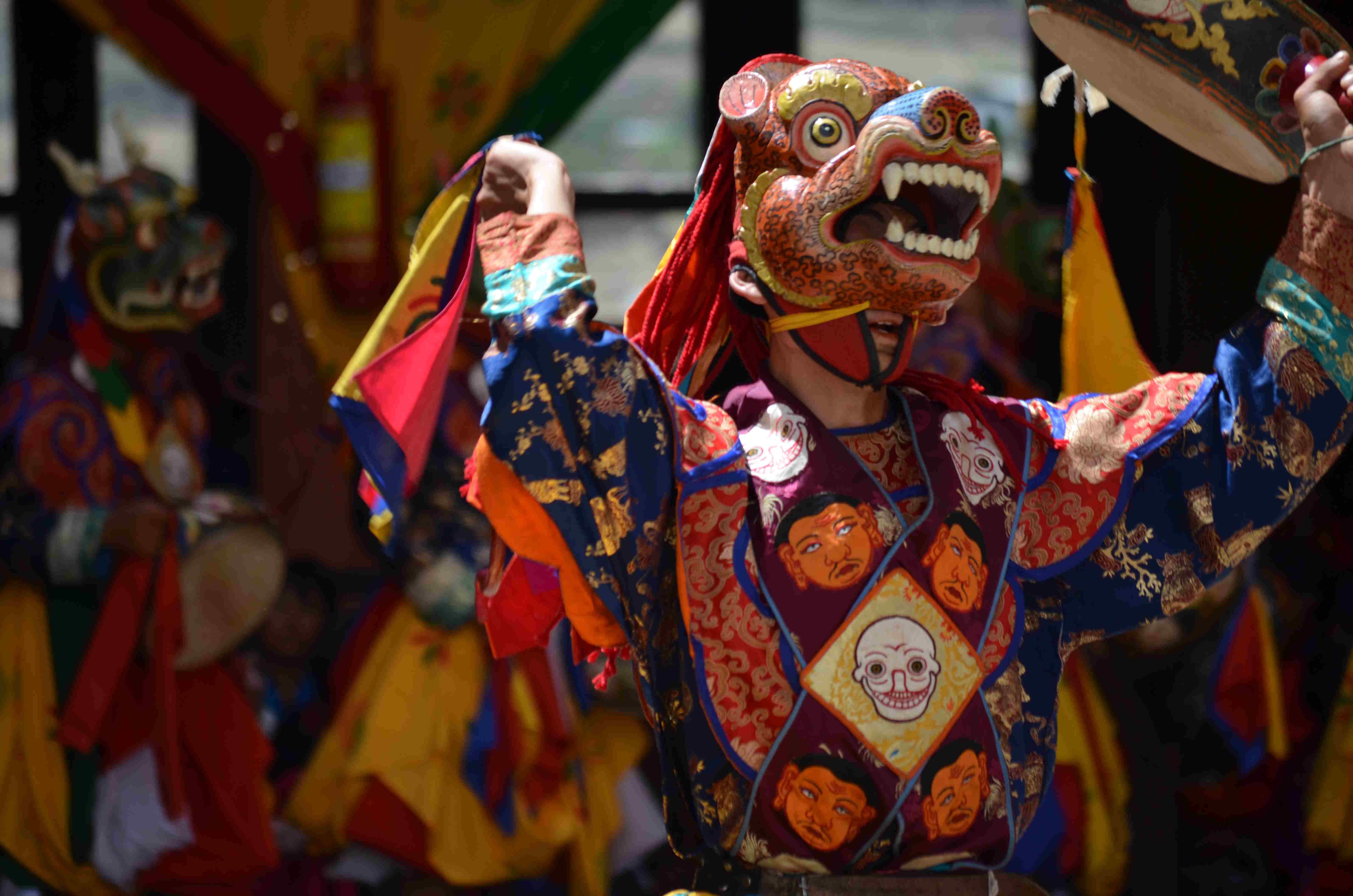
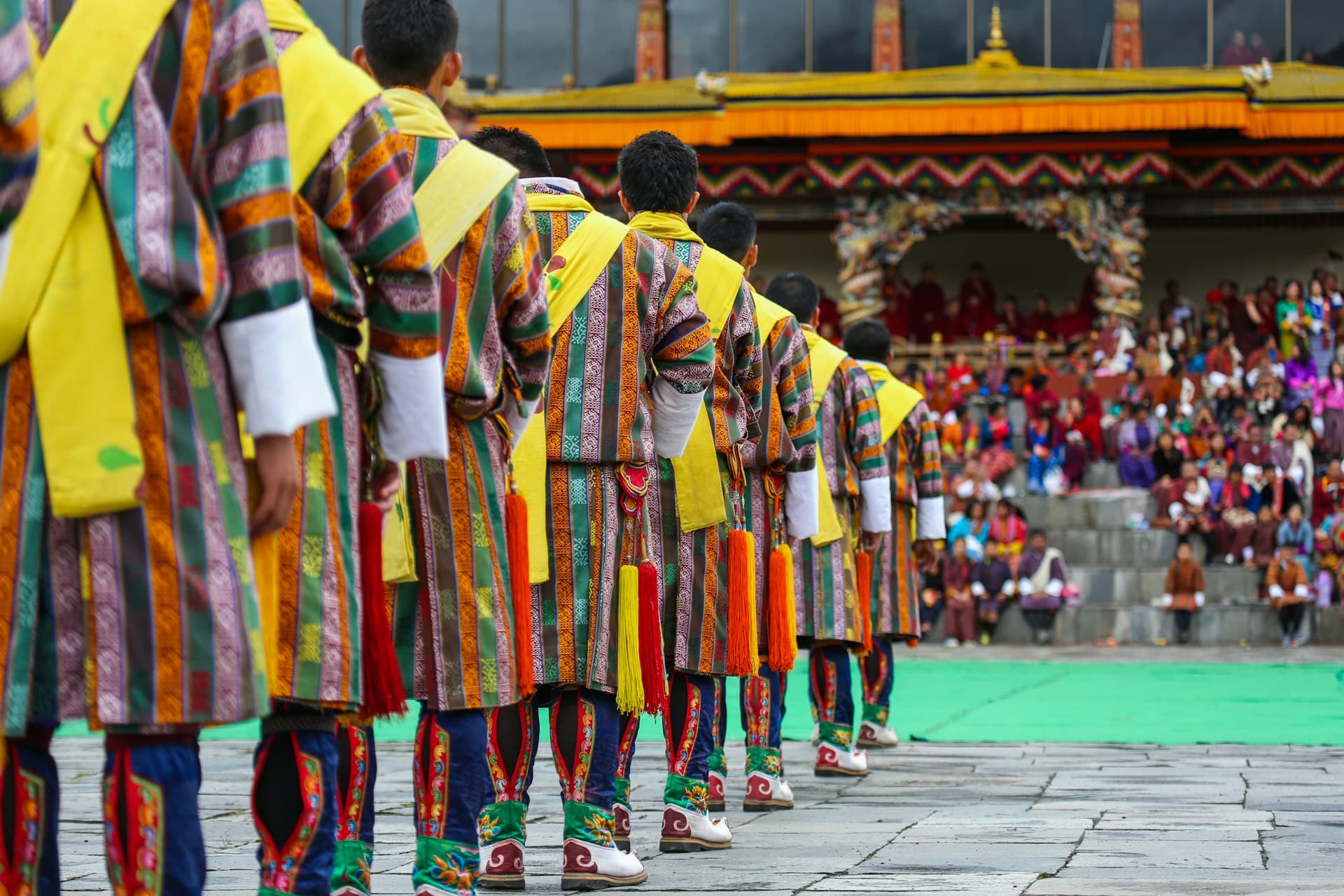
Visitors are not expected to wear gho or kira, but neat, modest clothing is appreciated, especially at dzongs, festivals, monasteries, and official buildings. Kabney and rachu belong to Bhutanese ceremonial dress rather than normal tourist protocol. In everyday interactions, it is more respectful to give or receive things with your right hand or with both hands, and best to avoid pointing at sacred objects, aiming your feet toward people or shrines, or photographing people at prayer without permission.
Hospitality in Bhutan is generous and often quiet in its style. If you are offered tea or food, accepting graciously is appreciated, even if only in a small amount. Tipping for guides and drivers is generally appreciated but not compulsory, so it is better framed as a personal gesture of thanks than as a rule. More broadly, travellers should be especially mindful of public conduct: smoking is restricted to designated areas under Bhutanese law, and Bhutan has long maintained restrictions on plastic bags and wrappers, reflecting the seriousness with which the country treats its environment.