Photo: Akshay Nayak, Pexels
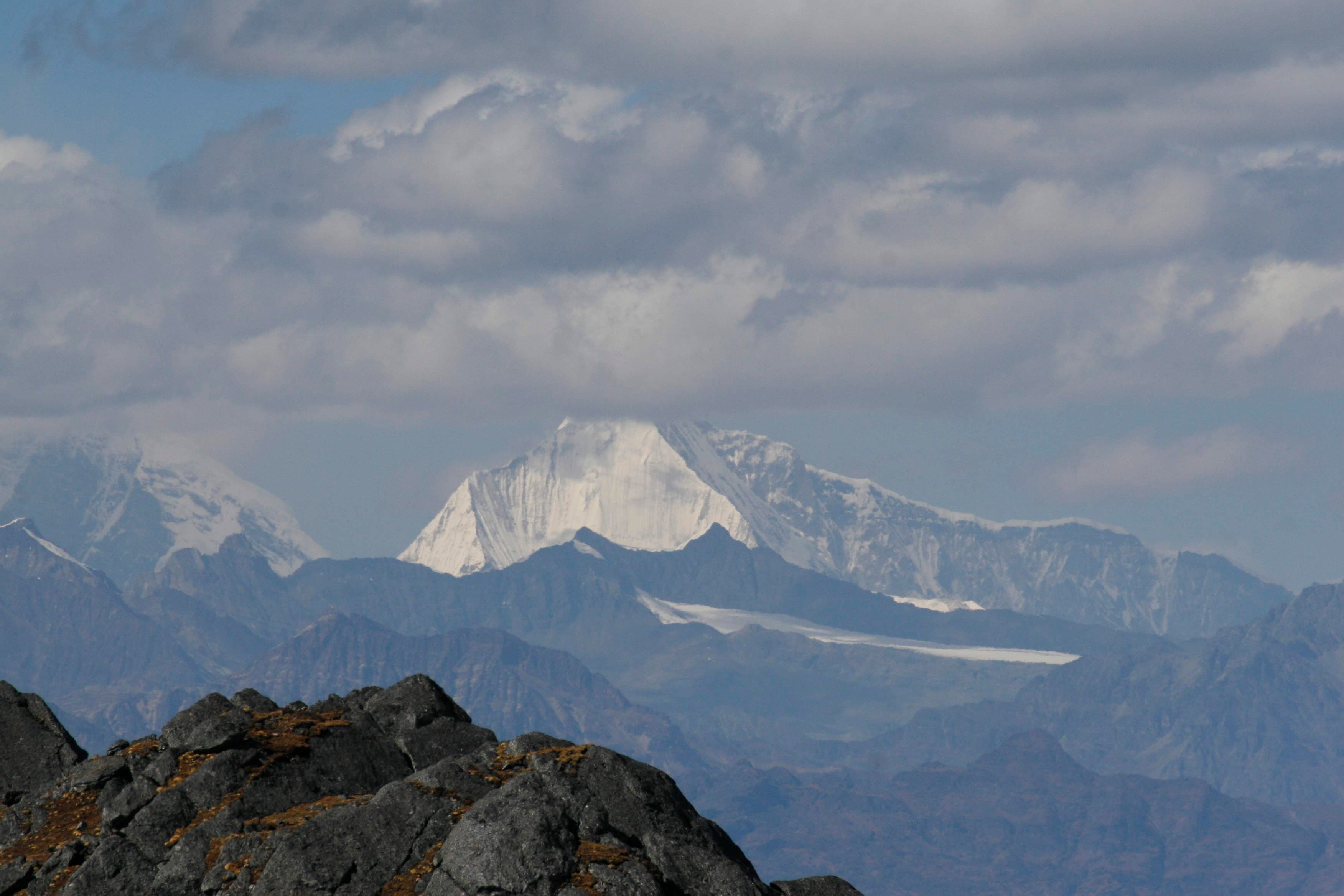
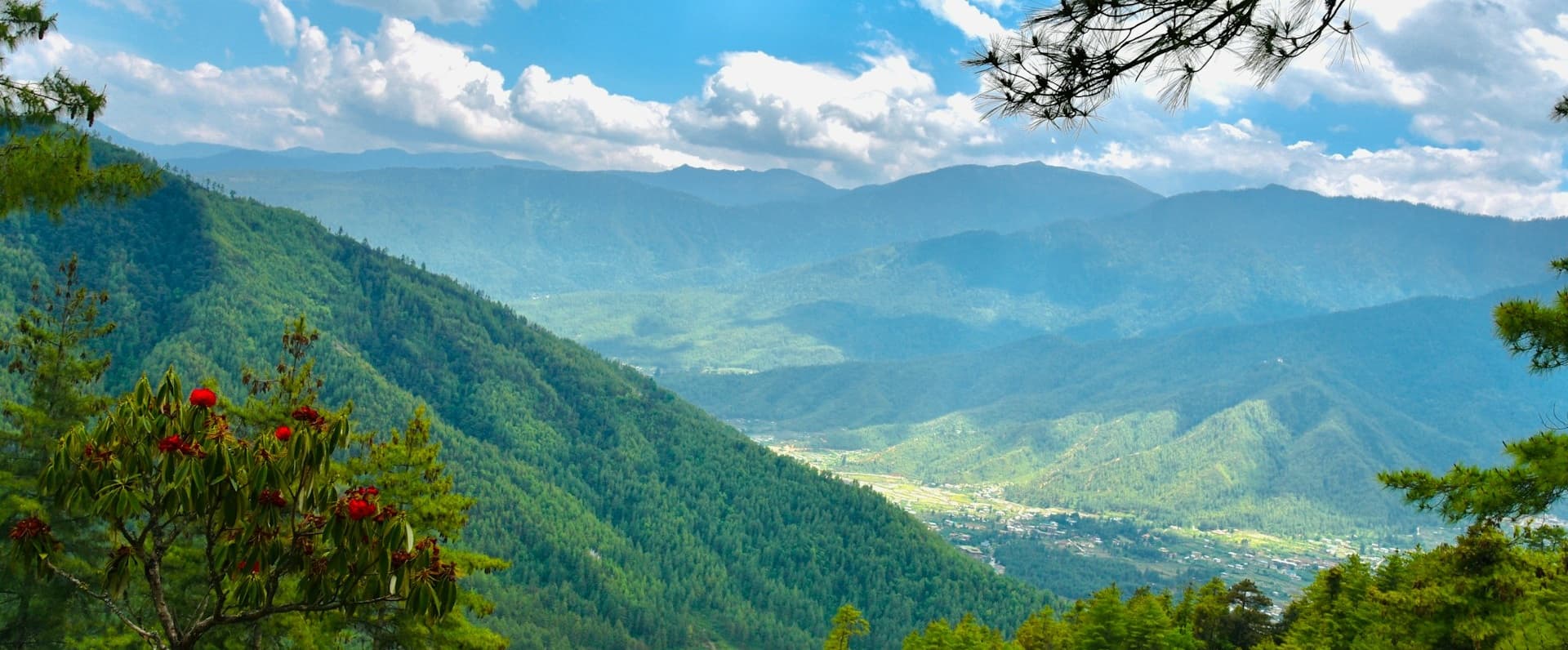
Bhutan's landscape spans subtropical plains in the south to high Himalayan peaks in the north, and across it you will find a remarkable variety of places — each valley, dzong, and monastery with its own distinct character. Here are eight that deserve to be on your itinerary.
Paro Valley and Taktsang. The serene Paro Valley is dotted with traditional farmhouses and monasteries. Rinpung Dzong and the National Museum of Bhutan offer deep insights into Bhutanese culture and history. There is, however, no argument when it comes to Taktsang — Bhutan's most iconic landmark, perched precariously on a cliff 900 metres (3,000 feet) above the Paro Valley. It is believed that Guru Padmasambhava, or Guru Rinpoche, who spread Buddhism across the entire Himalayas, flew here in the eighth century on the back of a tigress, and meditated for three years in a small cave where the main shrine of the monastery stands today. The 2–3 hour hike is challenging but incredibly rewarding, offering breathtaking views of the valley and the surrounding mountains.
Punakha Dzong. Also known as the 'Palace of Great Happiness,' Punakha Dzong is one of Bhutan's most beautiful and significant dzongs. Located at the confluence of the Pho Chhu and Mo Chhu rivers at an altitude of 1,200 metres (3,900 feet), it served as the administrative centre and the seat of the Bhutanese government until Thimphu became the capital. Its intricate architecture and serene surroundings make it a must-visit.
Thimphu. As Bhutan's capital, Thimphu is a blend of modernity and tradition. Situated at an altitude of 2,320 metres (7,610 feet), the city offers numerous attractions, including the National Memorial Chorten, Tashichho Dzong, and the Buddha Dordenma — the gigantic 51-metre-tall statue of Buddha overlooking the valley. Thimphu's vibrant markets, such as the Weekend Farmers' Market, provide a glimpse into Bhutanese culture and daily life.
Phobjikha Valley. Known for its stunning beauty and as the winter home of the endangered black-necked cranes, Phobjikha is a paradise for nature lovers. Located at an altitude of 3,000 metres (9,840 feet), the Gangtey Monastery, overlooking the valley, adds to the spiritual ambiance of this serene location. Visitors can enjoy walks along numerous trails, bird-watching, and interactions with the local community.
Trashiyangtse. Located in Eastern Bhutan, the Trashiyangtse Valley is a hidden gem known for its picturesque landscapes and cultural heritage. At an altitude of 1,830 metres (6,000 feet), it is home to the Chorten Kora, one of Bhutan's most revered stupas. The valley offers a peaceful retreat with its pristine natural beauty, traditional villages, and opportunities for trekking and exploring the region's rich biodiversity.
Bumthang Valley. Often referred to as the spiritual heartland of Bhutan, Bumthang is home to some of the country's oldest and most revered temples and monasteries, such as Jambay Lhakhang and Kurjey Lhakhang. Situated at an altitude of 2,600 metres (8,530 feet), the region's lush valleys, ancient monasteries, and rich history make it a spiritual haven for visitors.
Mongar. Situated in Eastern Bhutan, the Mongar Valley is known for its breathtaking landscapes and vibrant culture. At an altitude of 1,600 metres (5,250 feet), the valley is home to the Mongar Dzong, a modern dzong with traditional architecture. The journey from Bumthang offers spectacular views, passing through lush forests and scenic mountain passes that give a vivid glimpse into the rural and cultural life of the east.
Zhemgang and the Royal Manas Park. Sitting on the southern hills with warm and humid conditions, the Zhemgang region is blessed with rich biodiversity and sits in the heart of the Royal Manas National Park — the oldest nature preserve in the country. Its lush forests are home to 22 endangered animal species, including the Golden Langur and the Asian One-horned Rhinoceros. Zhemgang is also one of the last regions where ancient Bon religious practices are still carried out, and its inhabitants are known for their rich folk culture and skill with bamboo. The monasteries of Buli Lhakhang and Tharpa Choeling Lhakhang are wonderful places to visit.